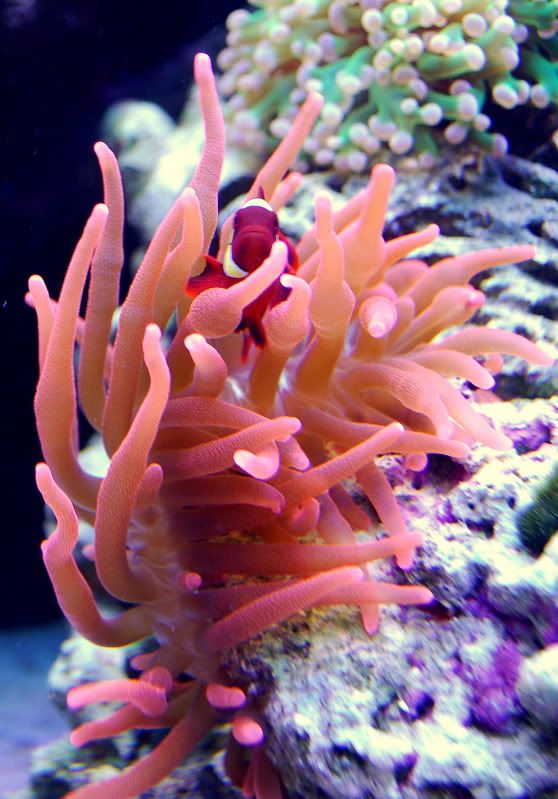
Do you enjoy challenge? Do you enjoy something that requires a little technical understanding and sometimes problem solving? Are you naturally curious about the natural world? Then this is the hobby for you.
I wonder if you may have confused aeration with water flow and gas exchange? In the ocean, water flow is often fast and turbulent, even below the surface. We try our best to create that in our tanks. The most effective way to do that is becoming more and more common and better understood, though most books and a lot of information out on the www has not caught up.
FYI, this is the look of the surface water of a tank using that method. Notice that there are no bubbles.

An ordinary inexpensive powerhead, positioned somewhat like in this next pic, is what creates that maximum benefit from minimum energy.

Regarding the second question, the best sump setups are the simplest. Located on the return, the "out" side of the pump they have only a flow adjustment valve. Anything else would be counter productive.
What you may have seen is a backflow preventer valve. This is a bad idea. They can, and most often do, fail. There are ways to design a system so that when the return pump stops for maintenance or in a power outage, the water from the display tank will not overflow the sump and flood the floor.
These are interesting questions;

more advanced than most new hobbyists. Have you seen some tanks? Would you mind telling us more about where you are coming from in your study of reef aquariums

Edited by Mark Peterson - January 28 2011 at 1:47pm






 Topic Options

 Post Options
 Thanks(0)